OFFICIAL DEATH CERTIFICATE
Just Survive
Daybreak Game Company
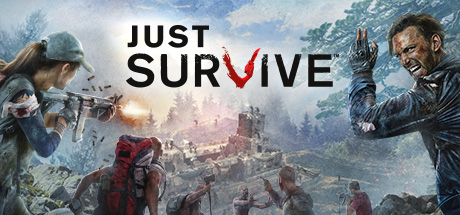
Born
2015-01-14
Game Over
2018-10-24
Lifespan (3.8 years)
Vital Signs
Advertisement
Autopsy Report
Autopsy Report
Just Survive holds the graveyard’s most tragic record: 76,929 reviews — the highest total in the dataset by a wide margin — and zero current players. More people wrote about this game than about most games that are still alive. The story of Just Survive is the story of a product devoured by its own offspring, a zombie survival game eaten alive by the battle royale mode it accidentally spawned.
Originally launched in January 2015 as H1Z1, Daybreak Game Company’s open-world zombie survival MMO was an instant sensation. Over 100,000 concurrent players in the first days. The game promised a massive persistent world where players would build bases, fight zombies, and form alliances — the DayZ experience, but from a studio with real MMO infrastructure. The Early Access hype was enormous, and 1-2 million players bought in at $19.99.
But H1Z1 had a battle royale mode. A side feature. A “King of the Kill” variant where players parachuted in, looted weapons, and fought until one remained. And in 2016-2017, as the battle royale genre exploded, that side mode became the main attraction. Daybreak made the fateful decision in February 2016 to split H1Z1 into two standalone games: H1Z1: Just Survive and H1Z1: King of the Kill. The survival half was immediately treated as the less important child.
The numbers document the betrayal with surgical precision. A 13:1 owners-to-review ratio is the lowest in the entire dataset — meaning nearly 8% of all owners felt compelled to write a review. For context, typical F2P games see ratios above 100:1. Just Survive’s community was so invested, so passionate, and ultimately so angry that they reviewed at 8x the normal rate. And 41% of those 76,929 reviews were negative. The 59% Mixed score represents one of gaming’s loudest communities screaming into the void.
The review velocity of 563.3 per month is staggering — comparable to major AAA releases. This wasn’t a niche game that failed quietly. This was a mainstream product with a massive audience that watched in real-time as its developer chose the battle royale money over them.
The controversial Badwater Canyon map redesign in September 2017 exemplified Daybreak’s mismanagement. Instead of delivering what the community demanded — more content for the existing map, better building systems, improved zombie AI — the studio replaced the entire map with a smaller redesign that alienated veterans without attracting newcomers. It was the last major content update Just Survive would receive.
Meanwhile, Rust was getting weekly updates. ARK was shipping DLC expansions. 7 Days to Die was iterating on its formula. The zombie survival genre was oversaturated with “Zombies, Survival, Open World, Crafting” games — the most common tag combination on Steam — and only the actively maintained titles survived. Just Survive, starved of developer attention, couldn’t compete.
Daybreak announced the shutdown in August 2018. Servers closed October 24, 2018. The reaction was resignation, not outrage — the community had mourned this game years before its official death. And in the cruelest irony, H1Z1’s battle royale mode — the product that Daybreak chose over Just Survive — also declined rapidly when PUBG and Fortnite arrived. Both halves of the original H1Z1 are now dead. Daybreak chose a trend over their loyal audience and ended up with nothing.
Key Failure Factors
-
Cannibalized by Its Own Spin-Off: When Daybreak split H1Z1 in February 2016, Just Survive was immediately deprioritized. Resources flowed to King of the Kill (later H1Z1 BR), leaving the survival game on a skeleton crew. The 13:1 owners-to-review ratio — 8x the normal engagement rate — reflects a community so betrayed they documented their anger in 76,929 reviews.
-
Content Drought in an Oversaturated Genre: Tagged with “Zombies, Survival, Open World, Crafting” — the most competitive combination on Steam — Just Survive needed relentless updates to compete with Rust, ARK, and 7 Days to Die. Instead, it got the Badwater Canyon redesign and then silence.
-
59% Mixed From 76,929 Reviews: With 31,463 negative reviews (41% of total), Just Survive’s community was deeply divided. This isn’t mixed reception — it’s a civil war in the review section, driven by early adopters who invested hundreds of hours watching promises go unfulfilled.
-
Both Products Died: The most damning data point: Daybreak chose the BR mode over survival, and the BR mode also died when PUBG and Fortnite arrived. The entire H1Z1 franchise — 200K+ combined reviews across both products — produced zero surviving games.
Lessons for Developers
-
Cannibalizing your own product for a trend is a losing strategy even when the trend pays off. Daybreak diverted resources from Just Survive to H1Z1 BR, which peaked massively… and then died when PUBG and Fortnite arrived. The studio ended up with two dead games. Short-term trend revenue destroyed the long-term viability of the original product.
-
A 13:1 owner-to-review ratio signals a community writing its own eulogy. When 8% of owners leave reviews — most of them mixed or negative — the community is documenting betrayal, not just dissatisfaction. This metric is the clearest signal in the dataset of a game that broke its promise to its audience.
-
In oversaturated genres, only the best-maintained games survive. Rust, ARK, and 7 Days to Die all thrived through relentless updates in the same genre where Just Survive died. Survival games require constant content because the core loop — gather, build, survive — becomes repetitive without new systems. Content drought in a saturated genre is a death sentence.
Related Deaths
- Battlerite — Another game killed by its studio choosing a trend (battle royale) over its existing community, following the exact same pattern of resource diversion and community betrayal.
- Paragon — Epic Games’ MOBA, shut down when Fortnite became more profitable, proving that even first-party studios will sacrifice established products for trending ones.
- H1Z1 (Battle Royale) — Just Survive’s own sibling, the product that consumed its resources, which also declined and effectively died — making the entire franchise a cautionary tale.