OFFICIAL DEATH CERTIFICATE
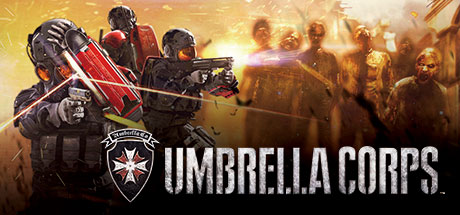
Umbrella Corps
CAPCOM
Born
2016-06-20
Game Over
2021-05-12
Lifespan (4.9 years)
Vital Signs
Advertisement
Autopsy Report
Autopsy Report
Umbrella Corps is the answer to a question nobody asked: “What if Resident Evil, but a bad competitive shooter?”
Capcom — the studio that defined survival horror with Resident Evil — released a budget multiplayer tactical shooter wearing the Umbrella Corporation’s logo and expected people to be excited. They were not. With a 32% positive review score, Umbrella Corps is the worst-reviewed entry in the entire Resident Evil franchise, a distinction that somehow makes it more notable than if it had never existed at all.
The numbers are brutal. Of 3,272 reviews, 2,236 are negative — outnumbering the 1,036 positive reviews by more than 2:1. This isn’t a polarized game where opinions are split. This is near-consensus rejection. The “Mostly Negative” label on Steam is earned through 68% of players taking the time to articulate exactly why this game shouldn’t exist.
The identity crisis is the core failure. Resident Evil fans want survival horror: atmospheric tension, resource scarcity, the dread of what’s around the next corner. Umbrella Corps gave them a competitive multiplayer shooter where zombies serve as environmental props rather than threats. The game’s own tags on Steam — Horror, Survival, Zombies — describe the franchise expectations that the product deliberately ignored. It’s like opening a Michelin-starred restaurant’s takeout menu and finding it’s all hot dogs.
The market timing was catastrophically bad. Umbrella Corps launched on June 20, 2016 — exactly one month after Overwatch’s launch reshaped the competitive multiplayer landscape. Blizzard’s hero shooter dominated every conversation about multiplayer gaming that summer. Even a well-made competitive shooter would have struggled for oxygen. A budget Resident Evil shooter with a 32% review score was invisible.
At A$6.99 (current price, likely reduced from launch), the budget positioning was visible from orbit. This is Capcom, publisher of Monster Hunter, Devil May Cry, and Street Fighter. When Capcom releases a game at impulse-buy pricing, it’s not confidence in value — it’s an admission that the game can’t justify a real price tag. The 100,000-200,000 estimated owners were largely drawn by the Resident Evil brand, not the game’s own merits. The 31:1 owner-to-review ratio and 2:1 negative split suggest those brand-driven purchases fueled brand-driven disappointment.
The timing becomes even more damning in retrospect. Just seven months after Umbrella Corps, Capcom released Resident Evil 7: Biohazard — a masterpiece that revitalized the franchise by returning to its survival horror roots. RE7 proved that Capcom could make extraordinary games when they committed resources and respected their audience. Umbrella Corps, by contrast, looks like a cynical side project shipped while the real team worked on the real game.
Eight concurrent players remain, giving Umbrella Corps the ignominious distinction of having a multiplayer community that could fit in an elevator. The game’s description calls it “a unique kind of shooter” — and technically, being uniquely bad is still a kind of unique.
Key Failure Factors
-
32% Positive — 2:1 Negative Ratio: 2,236 negative reviews vs 1,036 positive represents near-consensus rejection, the worst review score in the Resident Evil franchise
-
Complete IP Misalignment: Resident Evil fans want survival horror; they received a competitive multiplayer shooter with zombies as decoration — a fundamental misread of the franchise audience
-
Budget Execution from a Premium Publisher: A$6.99 pricing from Capcom signals a game the publisher itself didn’t believe in, while the Capcom brand set expectations the budget couldn’t meet
-
Overwatch Launch Month: Releasing a competitive multiplayer shooter one month after Overwatch redefined the genre guaranteed zero mindshare and zero market positioning
Lessons for Developers
-
Franchise IP is a liability when misused. The Resident Evil brand didn’t help Umbrella Corps — it actively amplified the backlash. Fans judged it against franchise standards (RE4, the original trilogy) that a budget shooter could never meet. Launching under a new IP with the same gameplay would have generated indifference. Launching under Resident Evil generated outrage. If your game doesn’t match what the IP’s audience expects, the brand is your enemy.
-
Budget games from premium publishers face an impossible expectations trap. Capcom’s name on the box sets a quality expectation that A$6.99 development cannot deliver. The 32% score reflects not just a bad game but a betrayed expectation — players bought a Capcom game and received a budget prototype. Premium publishers should use subsidiary labels for experimental or budget titles.
-
Check the release calendar before committing to a launch date. Umbrella Corps launched into Overwatch’s wake. Even a competent competitive shooter would have been drowned out. A broken one was invisible except as a punchline. Release timing is not optional competitive analysis — it’s survival strategy.
-
Your own studio’s success becomes the comparison. RE7 launched seven months later to massive acclaim. Every “why does Umbrella Corps exist?” question is answered by “because the real team was making RE7.” When your portfolio includes masterpieces, your failures are judged more harshly.
Related Deaths
- Takedown: Red Sabre — Another tactical shooter that promised depth and delivered a broken product to an audience with zero tolerance for mediocrity
- Evolve Stage 2 — A franchise-branded multiplayer game that couldn’t find its audience despite a much larger budget and development effort
- Radical Heights — Another game that launched broken into a saturated competitive market and was dead within months