OFFICIAL DEATH CERTIFICATE
The Culling
Xaviant
Born
2017-10-04
Game Over
2019-10-04
Lifespan (2.0 years)
Vital Signs
Advertisement
Autopsy Report
Autopsy Report
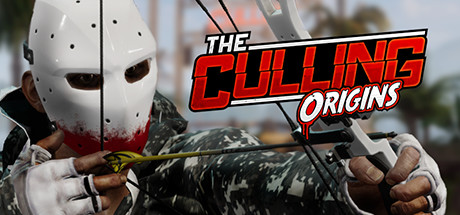
The Culling is the game that was patched to death — and the community watched it happen in slow motion, screaming the entire time. Launching into Early Access in March 2016, Xaviant’s melee-focused battle royale arrived before the genre even had a name. PUBG was a year away. Fortnite was two years away. The Culling had something almost nobody in gaming gets: a genuine first-mover advantage in a genre that was about to become the biggest thing in the industry.
The early days were genuinely special. Sixteen players dropped onto an island with 25 minutes to scavenge, craft weapons, build traps, and fight to the death in melee combat. The crafting system added strategic depth that gunplay-focused BRs would never replicate. The intimate 16-player format created tension that 100-player games couldn’t match — every encounter was personal, every kill was earned. The community fell in love, and the numbers reflected it: 1-2 million estimated owners, 17,275 total reviews, and a review velocity of 167 per month. People cared about this game.
Then Xaviant started patching. And patching. And patching. The melee combat system — the game’s entire identity, the thing that made it unique — was overhauled repeatedly, sometimes multiple times per month. Each rework invalidated the skills players had spent weeks developing. Players would master the combat, log off for a week, and return to find an entirely different game. The community begged for stability. Xaviant kept reworking.
The 57% positive review score (Mixed) is the cumulative record of this self-destruction. The 7,378 negative reviews — 43% of total reviews — represent one of the highest negative ratios in the battle royale genre. These aren’t disinterested bad reviews; they’re love letters written in frustration by early adopters who watched their favorite game be dismantled patch by patch. The review velocity of 167 per month tells you people cared enough to write about it. The sentiment split tells you most of what they wrote was grief.
When PUBG arrived in March 2017, The Culling’s unique melee identity should have been its shield. No 100-player gunplay game was going to replicate the tension of a 16-player melee brawl. The niche was defensible. But by then, the constant reworks had eroded what made the game special. Players who might have stayed as “the melee BR community” had been driven away by the tenth combat overhaul. The full launch in October 2017 — timed against PUBG’s explosive growth and just weeks before Fortnite — landed to silence.
The free-to-play transition was the final chapter. By the time Xaviant removed the price tag, the game had been reworked so many times that neither old fans nor new players could find what had originally been good about it. Zero current players from 1-2 million owners is one of the most dramatic drop-off ratios in gaming history. The owners-to-review ratio of 58:1 (unusually high review engagement) confirms that players were motivated to share their frustration. The Culling didn’t die from external pressure. It died from self-inflicted wounds, one patch at a time.
Key Failure Factors
-
Patched to Death: Xaviant reworked the melee combat system repeatedly — sometimes multiple times monthly — invalidating player skills and trust with each overhaul. The 57% positive review score tracks this self-destruction: early reviews were enthusiastic, late reviews were funeral eulogies.
-
First-Mover Advantage Squandered: The Culling had over a year of lead time before PUBG and nearly two years before Fortnite. That head start was spent on experimental reworks instead of polishing and cementing community loyalty. When competitors arrived, the community was already exhausted.
-
17,275 Reviews of Grief: The review velocity of 167 per month — extremely high for an indie title — reflects intense community engagement. But 43% of those reviews (7,378) were negative, most from betrayed early adopters documenting the game’s decline in real-time.
-
Niche Abandoned: The melee-focused, crafting-heavy, 16-player format was a unique differentiator that no competitor replicated. Instead of committing to this identity, Xaviant’s reworks diluted it until The Culling was competing as a generic BR in a market that didn’t need another one.
Lessons for Developers
-
Iterate, don’t overhaul. Xaviant treated their combat system as something to perfect through wholesale reworks rather than refine through incremental tuning. The 57% positive score is the price of resetting your community’s skill investment every month. If players love your core mechanic, protect it.
-
First-mover advantage buys time, not immunity. With 1-2 million owners attracted by genuine first-mover positioning, The Culling proved the concept worked. The drop to zero players proves that time advantage must be spent building loyalty and polish — not running experiments on a live player base.
-
Your niche is your survival strategy. The Culling’s melee-focused battle royale was a defensible position that no competitor occupied. If Xaviant had committed to this identity, it could have survived alongside PUBG and Fortnite as “the melee BR.” Instead, the reworks destroyed the very thing that made the game worth playing.
Related Deaths
- Realm Royale — A class-based battle royale that similarly lost its identity through constant reworks and publisher-driven changes, following the same “good concept, death by patching” trajectory.
- H1Z1: King of the Kill — Another early battle royale that couldn’t maintain its community as PUBG and Fortnite arrived, showing that first-mover advantage was perishable across the genre.
- Paragon — Epic’s MOBA that was killed by excessive reworks alienating its core community, before Epic pivoted those resources to Fortnite.